
May 17, 2026
Design-Build Remodeling for Older San Francisco Homes
Older San Francisco homes have a unique character that newer buildings commonly lack. Whether it’s Victorian or Edwardian architecture or early 20th-century craftsmanship, these homes are full of history, charm, and special details that many people love. However, remodeling them takes experience, careful planning, and technical know-how. This is where design-build remodeling can really make a difference.
With traditional remodeling, design and construction are handled by different people or companies. Design-build, on the other hand, combines planning, design, budgeting, engineering, permitting, and construction into one team. For older San Francisco homes, this approach helps homeowners avoid unexpected problems, keep costs under control, and move smoothly from initial ideas to the finished project.
If you’re thinking about remodeling an older home in San Francisco, here’s what you can expect.
Why Older San Francisco Homes Require a Different Remodeling Approach
Many San Francisco homes were built before today’s building codes, electrical systems, plumbing standards, insulation requirements, and earthquake safety requirements. Even though these homes often have solid structures and beautiful details, they can also hide problems that aren’t immediately obvious.
Common issues in older San Francisco homes include:
- Outdated electrical wiring
- Aging plumbing lines
- Foundation settlement
- Unlevel floors
- Load-bearing walls in unexpected locations
- Dry rot or water damage
- Poor insulation
- Inefficient layouts
- Previous unpermitted work
- Limited bathroom or kitchen space
- Seismic reinforcement needs
Because of these issues, remodeling an older home is more complicated than just updating the look. Success takes more than picking out finishes. You need a team that can assess what’s possible, plan for structural needs, handle permits, and adjust as hidden problems arise.
What Is Design-Build Remodeling?
Design-build remodeling means one team handles both the design and construction parts of your project. Instead of hiring an architect or designer first and then finding a contractor, you work with one company from start to finish.
A design-build team typically helps with:
- Initial consultation and project goals
- Feasibility planning
- Design concepts and layouts
- Budget development
- Material guidance
- Engineering coordination
- Permit preparation
- Construction planning
- Project management
- Final walkthrough
For older San Francisco homes, this all-in-one process is especially useful because design choices are considered alongside construction needs from the start. This helps homeowners see what’s possible, what might cost more, and what needs a closer look before work begins.
Expect a Thorough Discovery and Planning Phase
The first step in a design-build remodel isn’t jumping into construction. It’s about getting to know your home.
Older San Francisco homes often require a more thorough evaluation of existing conditions. The design-build team may review:
- Existing floor plans
- Structural layout
- Foundation condition
- Plumbing and electrical systems
- Roof and drainage concerns
- Interior wall locations
- Potential load-bearing elements
- Permit history
- Historic or neighborhood considerations
This early planning stage helps spot risks before they turn into expensive surprises. It also lets homeowners make smart choices about what to do, how much to spend, and how long it will take.
For example, if you want to take out a wall between your kitchen and dining room, the design-build team can check whether the wall supports the house, whether you’ll need an engineer, and how this change could affect costs and permits.
Expect Hidden Conditions Behind Walls
When remodeling older homes, you can’t always know everything ahead of time. Once the team opens up walls, floors, or ceilings, they might find issues that weren’t visible before.
These may include:
- Old knob-and-tube wiring
- Corroded plumbing
- Improper framing
- Termite damage
- Dry rot
- Outdated ductwork
- Unpermitted previous remodels
- Missing insulation
- Structural deficiencies
This doesn’t mean something is wrong with your remodel. It just means the home is showing what needs to be fixed.
The benefit of design-build remodeling is that the same team handles both design and construction. If something unexpected comes up, they can quickly review options, revise the plan, discuss costs, and keep things progressing forward.
Expect Structural and Seismic Considerations
San Francisco is a seismically active region, and older homes often require structural evaluation before major remodeling work begins. This is especially true for projects involving:
- Wall removal
- Home additions
- Garage or basement conversions
- Foundation work
- Open-concept layouts
- Multi-story renovations
- Significant floor plan changes
A design-build team works with structural engineers early on, so safety and building codes are part of the plan from the beginning.
In many older homes, structural upgrades might mean strengthening the frame, adding beams, making the house more earthquake-resistant, repairing the foundation, or addressing settling. These changes aren’t always visible, but they’re often the most important part of the remodel.
Expect Layout Challenges and Creative Solutions
Older San Francisco homes were built for a different way of living. Kitchens were often separated from dining areas. Bathrooms were small. Storage was limited. Laundry spaces were awkward or nonexistent. Rooms were divided into smaller compartments rather than open, flexible living areas.
Homeowners today often want:
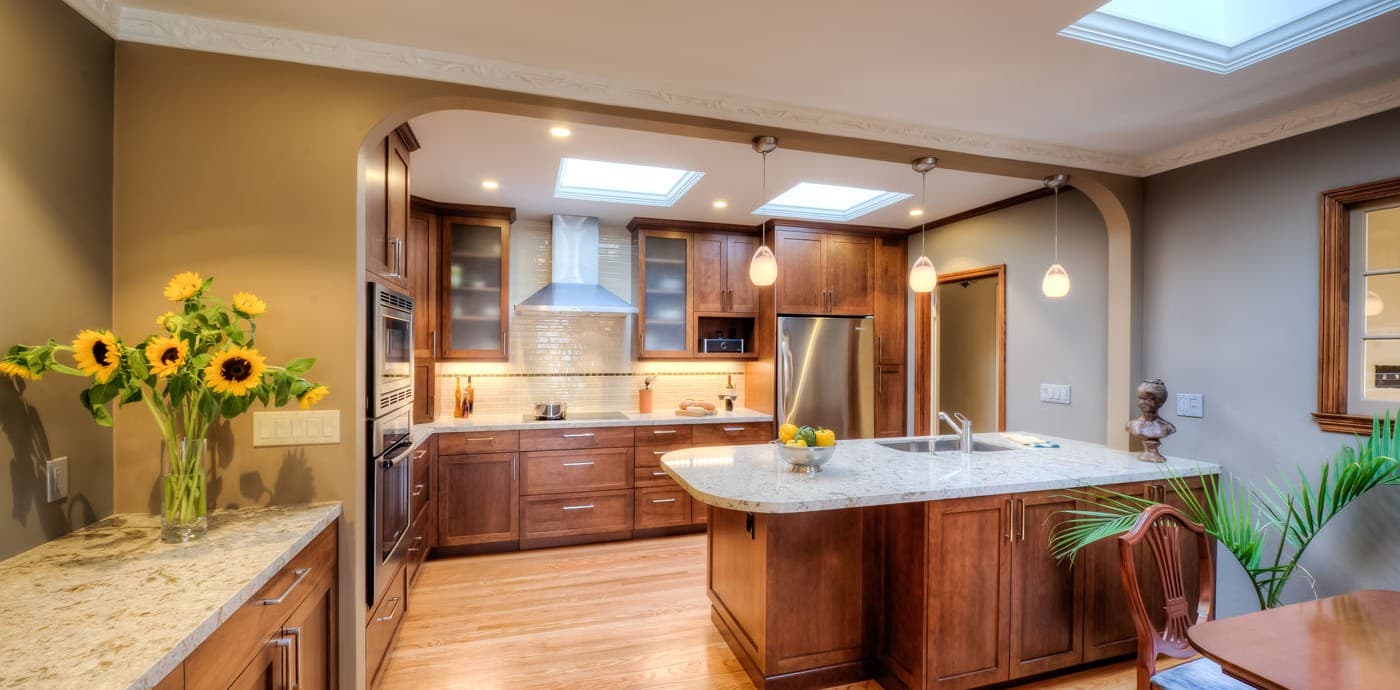
- Larger kitchens
- More natural light
- Open living and dining areas.
- Additional bathrooms
- Better storage
- Improved indoor-outdoor connection
- Modern primary suites
- Flexible work-from-home spaces
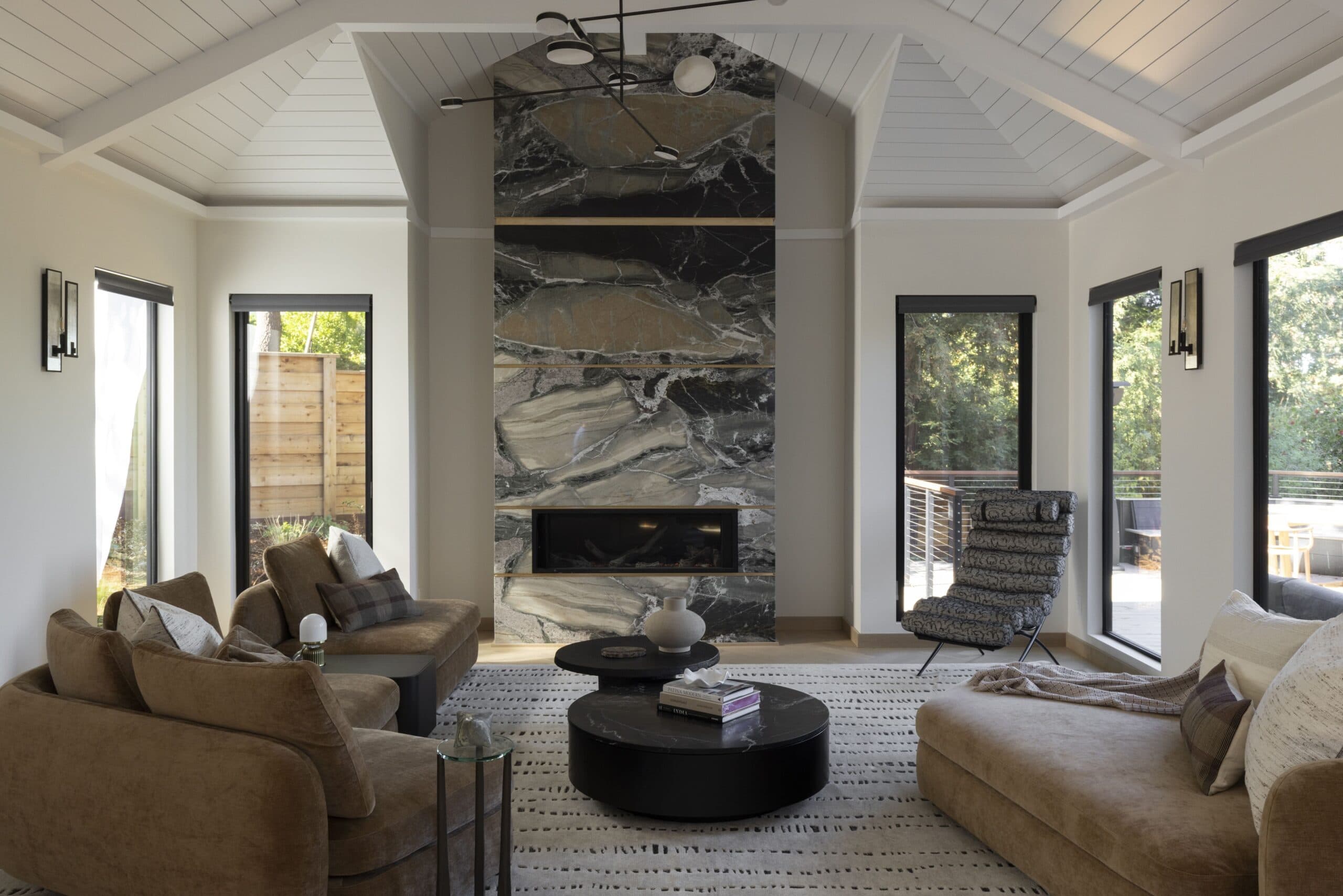
Design-build remodeling helps balance your modern needs with what the house can support. Instead of designing without considering the structure, the team creates layouts that make daily life easier while respecting the home’s style, structure, and your budget.
Expect Permitting to Be Part of the Timeline
San Francisco remodeling projects often require permits, especially when work involves electrical, plumbing, structural changes, additions, or layout modifications.
Older homes may also require additional review depending on location, building age, exterior changes, or historic considerations.
Permit-related items may include:
- Building permits
- Electrical permits
- Plumbing permits
- Mechanical permits
- Structural drawings
- Engineering documents
- Planning review
- Inspections
A design-build firm helps you figure out which permits you’ll need and how permits fit into your project’s schedule. While no contractor can speed up city reviews, good planning can help avoid delays from missing drawings or unclear plans.
Expect Budget Conversations Early and Often
One of the biggest benefits of design-build remodeling is having a clear budget.
In older homes, costs can differ greatly depending on existing conditions. A seemingly simple kitchen remodel may require plumbing upgrades. A bathroom remodel may reveal waterproofing issues. An open-plan renovation may require structural beams.
With design-build, you talk about the budget throughout the planning process, not just after the drawings are done. This way, you can compare options and understand the trade-offs.
For example, the team may help evaluate whether it makes more sense to:
- Keep plumbing in its existing location.
- Invest in structural changes for an open floor plan.
- Restore original millwork
- Replace aging systems now, not later.
- Phase the remodel over time.
- Choose custom cabinetry or semi-custom options.
This helps you avoid the common problem of designing something that ends up costing much more than expected.
Expect a Balance Between Preservation and Modernization
One of the best parts of remodeling an older San Francisco home is the opportunity to preserve character while improving functionality.
Homeowners may want to retain:
- Original trim
- Wood floors
- Built-ins
- Stair details
- Bay windows
- Period molding
- Historic exterior features
- Interior proportions
At the same time, they may want modern upgrades such as:
- Updated kitchens
- Larger bathrooms
- Improved lighting
- Better insulation
- New electrical systems
- Energy-efficient fixtures
- Open layouts
- Smart-home features
A good design-build team helps you decide what to keep, what to update, and what to replace. The aim isn’t to erase your home’s history, but to make it work well for modern living.
Expect Coordination Across Many Trades
Older-home remodeling frequently involves many specialists, including:
- Carpenters
- Electricians
- Plumbers
- Tile installers
- Cabinetmakers
- Structural engineers
- Painters
- Flooring specialists
- HVAC professionals
- Finish carpenters
Coordinating all these specialists takes careful planning. If one part is delayed, it can affect the whole schedule.
Design-build remodeling makes this coordination easier because one team manages the whole process. They can plan the order of work, spot what depends on what, keep everyone informed, and react quickly if things change on site.
Expect the Timeline to Depend on Scope and Complexity
The schedule for remodeling an older San Francisco home depends on the project’s size and complexity.
A smaller bathroom remodel may take several weeks of construction, while a whole-home renovation may take many months. Projects involving structural work, additions, custom finishes, or extensive permitting will naturally take longer.
Typical timeline factors include:
- Design development
- Engineering coordination
- Permit review
- Material lead times
- Demolition discoveries
- Structural upgrades
- Trade availability
- Inspection scheduling
- Finish complexity
A design-build firm can help you develop a realistic schedule and show you where you might need to be flexible.
Why Design-Build Is Ideal for Older San Francisco Homes
Remodeling older homes takes a flexible, knowledgeable, and well-coordinated approach. Design-build remodeling is a great fit because it brings design and construction expertise together from the start.
The benefits include:
- One integrated team
- Better communication
- Earlier cost feedback
- Stronger feasibility planning
- Fewer disconnects between design and construction
- More effective problem-solving
- Clearer accountability
- Better coordination with engineers and trades
- A smoother homeowner experience
For San Francisco homeowners, this can make a big difference, especially when dealing with homes that have complicated histories, old systems, and hidden issues.
Why the Right Remodeling Process Matters
Remodeling an older San Francisco home is both a chance and a responsibility. These homes deserve careful planning, skilled work, and a process that preserves their character while making them better suited to today’s needs.
With design-build remodeling, you get a team that guides your project from start to finish. From planning and budgeting to permits and construction, this approach provides a simpler, more efficient way to handle the challenges of renovating an older home.
If you’re planning to remodel a Victorian, Edwardian, or any older San Francisco home, picking the right process is one of the most important choices you’ll make.
Ready to Remodel Your Older San Francisco Home?
Podesta Construction helps San Francisco homeowners update older homes with considered design, careful planning, and skilled construction. Our design-build process brings everything together, so your remodel is managed by one experienced team from beginning to end.
Whether you’re updating a kitchen, redoing a bathroom, opening up your floor plan, restoring historic features, or planning a full remodel, we can help you see what’s possible and guide you forward with confidence.
Schedule a consultation today to start planning your design-build remodel.
Recent Posts

Remodel, Add On, or Build New? A San Francisco Property Decision Guide
If your home no longer works for the way you live,...
June 17, 2026
How to Make a Narrow San Francisco Home Feel Wider
A narrow San Francisco home does not always need m...
June 1, 2026
Design-Build Remodeling for Older San Francisco Homes
Older San Francisco homes have a unique character ...
May 17, 2026
Why Design-Build Is Ideal for Complex San Francisco Remodeling Projects
Remodeling a home in San Francisco is rarely simpl...
May 16, 2026
Condo Remodel San Francisco: What You Can and Can’t Change
Planning a condo remodel in San Francisco is excit...
April 10, 2026
Design-Build vs. General Contractor: What San Francisco Homeowners Should Know
Planning a home remodel in San Francisco often beg...
April 6, 2026
Newsletter
Quarterly remodeling tips & case studies.