
May 16, 2026
Why Design-Build Is Ideal for Complex San Francisco Remodeling Projects
Remodeling a home in San Francisco is rarely simple. Between older housing stock, strict permitting requirements, structural surprises, tight urban lots, historic architecture, HOA rules, and high homeowner expectations, even a seemingly straightforward renovation can quickly become complex.
That is why many homeowners are turning to the design-build San Francisco model for major remodeling projects. Instead of hiring separate designers, architects, engineers, and contractors, design-build brings the entire process under one integrated team. This approach creates better communication, more accurate planning, and a smoother path from early concept to final construction.
For complex San Francisco remodels, that level of coordination is not just convenient. It is often essential.
What Makes San Francisco Remodeling So Complex?
San Francisco homes come with unique challenges that are not always obvious at the beginning of a project. Many properties were built decades ago, and some date back more than a century. These homes often have outdated systems, non-standard framing, old plumbing, aging electrical work, and structural conditions that only become visible once construction begins.
Common challenges include:
- Load-bearing walls in unexpected locations
- Old or undersized electrical systems
- Aging plumbing lines
- Seismic upgrade requirements
- Foundation issues
- Limited site access
- Tight property lines
- Historic preservation considerations
- HOA rules in condo buildings
- Complex permitting requirements
Because of these factors, remodeling in San Francisco requires more than good design or skilled construction alone. It requires a coordinated team that understands how design decisions, building codes, structural needs, budgeting, and construction logistics all work together.
That is where design-build becomes especially valuable.
What Is Design-Build?
Design-build is a remodeling approach in which a single team manages both the design and construction phases of a project. Instead of separating design from building, the homeowner works with a single firm responsible for planning, design development, budgeting, permitting coordination, construction, and project management.
A design-build team may include:
- Designers
- Builders
- Project managers
- Estimators
- Engineers
- Specialty trade partners
- Permit coordination support
The goal is to create one unified process from start to finish.
In a traditional remodeling model, the homeowner may first hire an architect or designer, then send completed plans to contractors for bids. If the bids come back higher than expected, the homeowner may need to redesign, rebid, and delay the project. With design-build, construction knowledge is included from the beginning, helping homeowners make realistic decisions earlier.
For a complex design-build San Francisco remodel, that early collaboration can save time, reduce stress, and prevent costly surprises.
Why Design-Build Works Well for Older San Francisco Homes
Many San Francisco homes were not built for modern living. Victorian and Edwardian homes often have closed-off rooms, small kitchens, limited bathrooms, aging infrastructure, and structural systems that need careful evaluation before major changes are made.
Homeowners may want to:
- Open a kitchen to the dining room
- Add a bathroom
- Expand a primary suite
- Convert unused space
- Improve natural light
- Upgrade electrical and plumbing
- Strengthen structural systems
- Preserve historic details while modernizing the layout
These goals require close coordination between design and construction. For example, removing a wall may seem like a simple design choice, but if that wall is load-bearing, it may require engineering, beams, seismic considerations, and permitting.
In a design-build model, the team evaluates these issues early. The designer is not creating plans in isolation, and the builder is not discovering problems after the design is complete. Everyone works together to shape a plan that is attractive, functional, code-compliant, and buildable.
Better Budget Control From the Start
One of the biggest benefits of design-build is budget alignment.
In traditional remodeling, homeowners often develop a design first and learn the real construction cost later. This can be frustrating if the final plans exceed the budget. At that point, the homeowner may need to scale back the design, revise drawings, or restart parts of the planning process.
Design-build helps avoid this problem by integrating cost feedback throughout the design phase.
As ideas are developed, the team can explain how different choices affect the budget. For example:
- Moving plumbing may increase cost.
- Removing a structural wall may require engineering.
- Custom cabinetry may affect both budget and timeline.
- High-end finishes may require longer lead times.
- Opening walls in older homes may reveal system upgrades that should be planned for.
This does not eliminate every unknown, especially in older San Francisco homes, but it creates a more realistic financial roadmap. Homeowners can make informed decisions before construction begins, rather than reacting to cost surprises later.
Faster and Clearer Communication
Complicated remodels involve many moving parts. Without strong communication, delays can happen quickly.
In a traditional process, questions may move between the homeowner, designer, contractor, engineer, subcontractors, and city inspectors. Each handoff creates opportunities for confusion or delay.
Design-build simplifies communication by creating one coordinated team. The homeowner has a clearer point of contact, and the professionals involved in the project are already aligned around the same goals.
This matters when quick decisions are needed, such as:
- Adjusting a design detail during construction
- Responding to a permit comment
- Solving an unexpected framing issue
- Reworking a layout due to existing conditions
- Coordinating material substitutions
- Updating the schedule after a field discovery
For San Francisco remodels, where hidden conditions are common, this streamlined communication can make the process significantly smoother.
Stronger Permitting Strategy
Permitting is one of the most important parts of a San Francisco remodel. Depending on the scope, homeowners may need approvals for structural changes, plumbing, electrical, mechanical work, additions, exterior changes, or layout modifications.
A design-build firm can help plan with permitting in mind from the beginning. This means the team can identify which parts of the project may require special review and prepare a more complete path forward.
This is especially helpful for projects involving:
- Major kitchen remodels
- Bathroom additions
- Structural wall removal
- Garage or basement conversions
- Home additions
- Condo renovations
- Historic homes
- Seismic upgrades
When permitting strategy is considered early, homeowners are less likely to face avoidable delays later.
Ideal for Condo Remodels With HOA Rules
San Francisco condo remodels are often complicated because homeowners must work within both city requirements and HOA rules. Even interior changes may be subject to building restrictions.
Common condo remodel limitations include:
- Shared plumbing stacks
- Structural walls or columns
- Flooring sound requirements
- Elevator and delivery rules
- Work-hour restrictions
- Insurance requirements
- Ventilation limitations
- Common area protection requirements
A design-build approach helps identify these limitations before design decisions are made. For example, if plumbing cannot be moved, the team can develop a kitchen or bathroom layout that improves function while keeping plumbing in place. If flooring must meet sound ratings, compliant options can be selected early.
This helps first-time condo remodelers avoid designing something that the HOA later rejects.
Ideal for Kitchen and Bathroom Remodels
Kitchens and bathrooms are among the most technically complex rooms in any home. They involve plumbing, electrical, ventilation, waterproofing, cabinetry, appliances, tile, lighting, and layout planning.
In San Francisco, those spaces are often small, older, or constrained by existing systems. A design-build team can help homeowners answer practical questions early, such as:
- Can the kitchen be opened to the dining room?
- Can the sink or range be relocated?
- Is there enough electrical capacity for modern appliances?
- Can a tub be converted to a walk-in shower?
- Does the bathroom need better ventilation?
- Can storage be added without expanding the footprint?
- Will the design require permits?
Because design and construction are connected, homeowners get a plan that balances beauty, function, cost, and feasibility.
Better Handling of Unexpected Conditions
Even the best planning cannot reveal everything hidden inside walls, floors, ceilings, and foundations. In older San Francisco homes, unexpected conditions are common.
A remodel may uncover:
- Dry rot
- Outdated wiring
- Old plumbing
- Unpermitted prior work
- Uneven framing
- Foundation concerns
- Insufficient structural support
- Water damage
When this happens, the design-build model allows the team to respond quickly. Instead of stopping work while separate parties debate responsibility, the design and construction team can collaborate on a solution and keep the homeowner informed.
This level of responsiveness is one of the biggest reasons design-build is ideal for complicated remodeling projects.
One Team, One Process, One Point of Accountability
A major remodel is a significant investment. Homeowners deserve a process that feels organized, transparent, and accountable.
With separate design and construction teams, it can sometimes be difficult to know who is responsible when issues arise. The designer may blame construction limitations. The contractor may point to incomplete drawings. The homeowner may be left managing communication between multiple parties.
Design-build reduces that friction by creating one integrated team responsible for the entire process.
This gives homeowners:
- Clearer communication
- Better accountability
- More efficient decision-making
- Stronger budget alignment
- A smoother transition from design to construction
- Fewer gaps between planning and execution
For complex San Francisco projects, that clarity is a major advantage.
When Should San Francisco Homeowners Choose Design-Build?
Design-build is especially well-suited for projects involving:
- Whole-home remodels
- Kitchen remodels with layout changes
- Bathroom additions or reconfigurations
- Condo renovations
- Victorian or Edwardian home remodels
- Structural wall removal
- Basement or garage conversions
- Home additions
- Seismic or foundation work
- High-end custom finishes
- Projects where budget and schedule control are priorities
If your remodel involves multiple trades, city approvals, older construction, or complex design decisions, design-build can help make the process more manageable.
Design-Build Simplifies Complex Remodeling
San Francisco remodeling projects require careful planning, technical knowledge, and strong coordination. From permits and structural issues to older homes, condo rules, and complex construction logistics, many factors can affect a project’s success.
The design-build San Francisco approach brings design, budgeting, permitting, and construction together under one coordinated process. For homeowners, that means clearer communication, stronger accountability, better cost control, and a smoother remodeling experience.
For complex projects, design-build is not just an efficient option. It is often the smartest way to remodel with confidence.
Ready to Plan Your San Francisco Remodel?
Podesta Construction helps homeowners navigate complex San Francisco remodeling projects through a thoughtful design-build process. From early planning and feasibility to construction and final completion, our team provides the guidance, craftsmanship, and coordination needed to bring your vision to life.
If you are considering a major remodel, kitchen renovation, bathroom upgrade, condo remodel, or whole-home transformation, we can help you understand what is possible and how to move forward.
Book a consultation today to start planning your design-build remodel in San Francisco.
Recent Posts

Remodel, Add On, or Build New? A San Francisco Property Decision Guide
If your home no longer works for the way you live,...
June 17, 2026
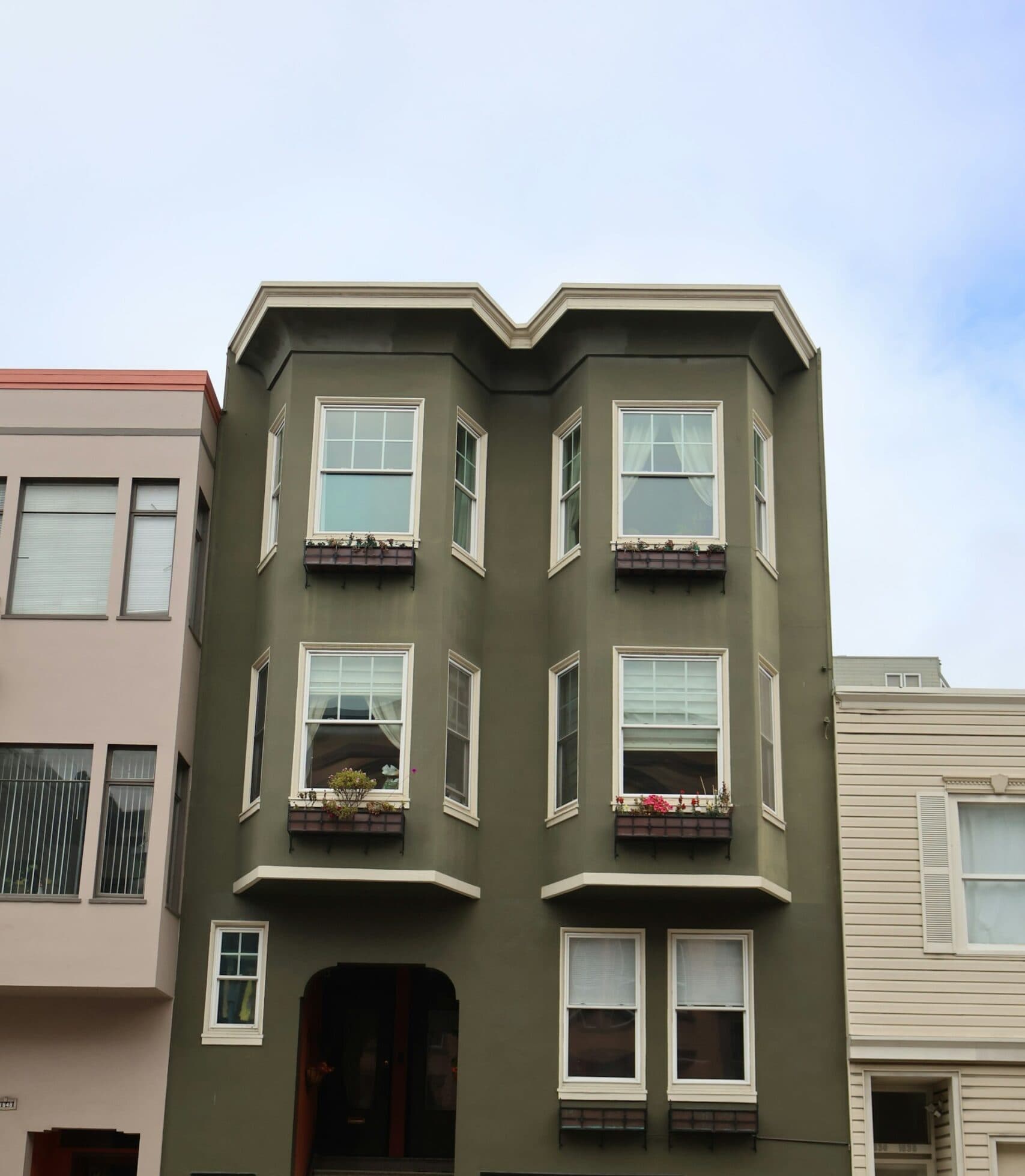
How to Make a Narrow San Francisco Home Feel Wider
A narrow San Francisco home does not always need m...
June 1, 2026
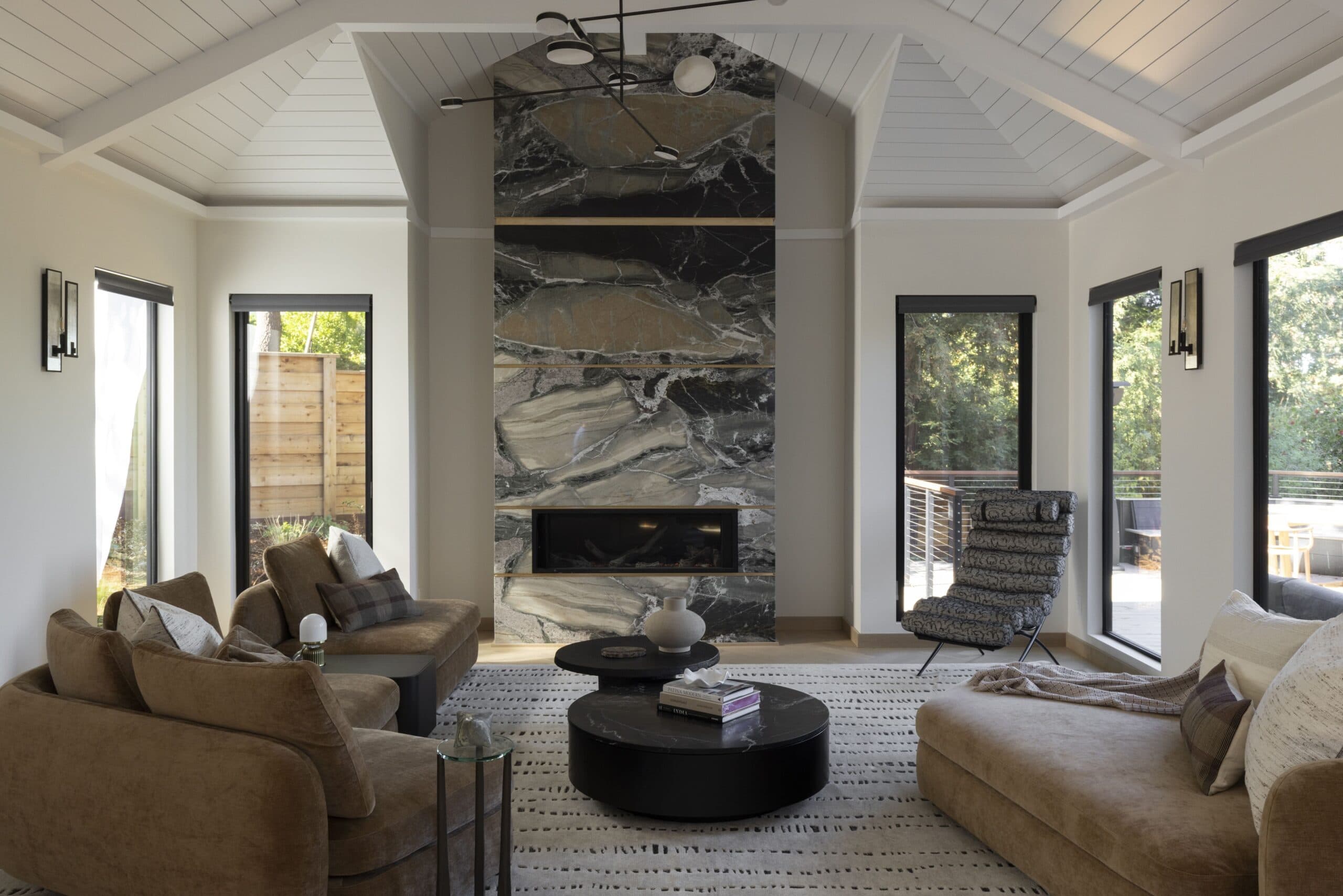
Design-Build Remodeling for Older San Francisco Homes
Older San Francisco homes have a unique character ...
May 17, 2026
Why Design-Build Is Ideal for Complex San Francisco Remodeling Projects
Remodeling a home in San Francisco is rarely simpl...
May 16, 2026
Condo Remodel San Francisco: What You Can and Can’t Change
Planning a condo remodel in San Francisco is excit...
April 10, 2026
Design-Build vs. General Contractor: What San Francisco Homeowners Should Know
Planning a home remodel in San Francisco often beg...
April 6, 2026
Newsletter
Quarterly remodeling tips & case studies.