
November 13, 2025
Remodeling a Condo vs. a Victorian Home in San Francisco – What’s Different?
Remodeling a home in San Francisco is never a one-size-fits-all process. From the steep hills to the centuries-old architectural quirks, every project has its own challenges and rewards. But when homeowners begin planning a renovation, one question comes up often: “How different is a condo remodel from a Victorian home remodel in San Francisco?”
The short answer: very different.
While both offer opportunities to transform a space into something beautiful, functional, and uniquely yours, the pathways to achieving that result are shaped by distinct structural, regulatory, and logistical realities. As a design-build firm with deep experience renovating both modern condos and historic Victorian homes, Podesta Construction understands how dramatically these project types diverge, and how to manage each successfully.
Below, we break down the key differences, from permitting and engineering requirements to design constraints, construction timelines, and the homeowner experience.
Why Understanding the Difference Matters
San Francisco homeowners often fall into two camps:
-
They own a condo in a multi-unit building, sometimes newer, sometimes mid-century.
-
They own a historic Victorian or Edwardian house, some stretching back 120+ years.
The decision to remodel either property is exciting, but the success of the project hinges on understanding:
-
What is possible
-
What is restricted
-
What is structurally required
-
And how long the process will realistically take
A well-executed condo remodel or SF condo renovation can open up living space, modernize finishes, improve efficiency, and dramatically increase home value. A Victorian home remodel, meanwhile, blends craftsmanship with engineering rigor, often requiring careful preservation of certain architectural features while bringing the interior up to modern living standards.
Let’s look at how these differ.
1. Structural Considerations: Modern Systems vs. Centuries of Adaptations
Condo Remodeling: Working Inside a System You Don’t Own
When remodeling a condo, homeowners typically don’t own the building’s structural components, such as:
-
Load-bearing walls
-
Plumbing stacks
-
Electrical risers
-
Windows and exterior elements
-
Fire-suppression systems
-
HVAC infrastructure
This means design options must stay within the building’s established structural limits. Removing walls may not be feasible. Relocating plumbing can be restricted. HVAC changes often require HOA approval.
Most condo remodels focus on:
-
Reconfiguring non-structural walls
-
Updating kitchens and bathrooms
-
Improving lighting and electrical layout
-
Upgrading finishes and built-ins
-
Enhancing storage and functionality
-
Modernizing flooring (if allowed by HOA sound regulations)
Victorian Home Remodeling: Unlimited Possibility, With Engineering
Victorian homes offer far more flexibility, because the homeowners own the structure. You can:
-
Remove or relocate interior walls
-
Expand kitchens significantly
-
Raise ceilings
-
Reinforce foundations
-
Add or enlarge windows
-
Create open-concept layouts
-
Add backyards decks or home additions
However, greater freedom comes with greater complexity.
Older buildings often require:
-
Foundation upgrades
-
Seismic retrofitting
-
Reframing or structural reinforcement
-
Replacing outdated knob-and-tube wiring
-
Upgrading non-standard plumbing lines
-
Insulating walls not built with modern codes
-
Addressing historical settling or structural drift
Victorian homes are beautifully built—but many were constructed before electricity or indoor plumbing. Modernizing them requires engineering expertise and careful planning.
2. The Permit and Approval Process: HOA Rules vs. Historic Expectations
Condo Remodel Permitting: The HOA Is the Gatekeeper
For a condo remodel or SF condo renovation, homeowners typically need approvals from:
-
The HOA or building management
-
The City and County of San Francisco (for certain scopes)
-
Sometimes the building’s structural engineer
HOAs may impose guidelines such as:
-
Permitted hours of construction
-
Flooring material restrictions (sound transmission ratings)
-
Limitations on plumbing relocations
-
Electrical or ventilation restrictions
-
Rules on bringing materials or demolition debris through common areas
-
Approved contractors or insurance thresholds
A design-build firm helps homeowners navigate these rules early, before designs are finalized.
Victorian Home Remodel Permitting: City Regulations & Preservation Sensitivities
Victorian homes fall under different governing forces:
-
Residential building codes
-
San Francisco Planning Department
-
San Francisco Department of Building Inspection
-
Potential historic preservation guidelines
Even if a home isn’t formally designated as “historic,” many Victorian features may trigger review when attempting to modify key architectural elements, such as:
-
Original facades
-
Window replacements
-
Staircases
-
Ornamentation
-
Trimwork or moldings
Permits for Victorian remodels often involve:
-
Structural engineering plans
-
Energy and mechanical upgrades
-
Extensive electrical and plumbing overhauls
-
Soft-story or seismic reinforcements
The approval process for Victorian remodels can be longer than a condo remodel, but the reward is a fully customized, deeply personalized home transformation.
3. Design Flexibility: Custom Freedom vs. Within Existing Boundaries
Condo Design: Working Within a “Box”
Condo spaces tend to be predictable, rectangular layouts, central columns, and fixed plumbing lines. A design-build team works to maximize beauty and functionality within those limits.
Homeowners often choose:
-
Smart storage solutions
-
Multi-functional built-ins
-
Space-optimizing kitchen layouts
-
Sleek, modern finishes
-
Lighting upgrades to brighten limited natural light
-
Better space planning for small footprints
Design must be efficient and intentional.
Victorian Design: Old-World Charm Meets Modern Living
Victorian homes provide opportunities to blend historic character with modern comfort. Homeowners often want to preserve elements like:
-
Crown molding
-
Bay windows
-
Wainscoting
-
Decorative trim
-
Wood floors
-
Staircases
-
Original doors
At the same time, they often want:
-
Open kitchen spaces
-
Larger bathrooms
-
Modern mechanical systems
-
Expansive living areas
-
Improved energy efficiency
-
Better interior flow
Victorian remodels require thoughtful design to balance what should be preserved with what should be modernized.
4. Construction Timelines: Predictability vs. Uncovering the Unknown
Condo Remodel Timeline Expectations
Because condos are modern structures (in most cases), their systems are easier to anticipate. Timelines can be more predictable, typically ranging from 8–20 weeks, depending on scope.
Factors that can affect timing:
-
HOA approval delays
-
Material lead times
-
Elevator access for moving supplies
-
Building working-hour restrictions
Still, condos tend to yield fewer unexpected structural surprises.
Victorian Home Remodel Timeline Expectations
Victorian remodels can extend anywhere from 4 months to well over a year, based on:
-
Scope
-
Structural alterations
-
Permit review duration
-
Whether additions or major reconfigurations are planned
Opening walls in a century-old building often reveals:
-
Non-standard framing
-
Unlevel floors
-
Outdated wiring
-
Aging plumbing
-
Dry rot or water damage
-
Previous DIY construction work that needs correction
Victorian remodels reward patience. The end result is a deeply customized home that blends historic beauty with a modern lifestyle.
5. Budget Considerations: Controlled vs. Variable
Condo Remodel Costs in San Francisco
Costs vary based on:
-
Building rules
-
Material selections
-
Structural limitations
-
Kitchen or bathroom complexity
Most condo remodels fall into a more standardized cost range because there are fewer structural unknowns.
Victorian Home Remodel Costs in San Francisco
Victorian homes carry more variables. Structural work, system upgrades, and historic detailing increase costs. Custom craftsmanship is often required to match original profiles and textures.
However, Victorian remodels frequently deliver higher long-term value because single-family homes in San Francisco appreciate more dramatically than condos.
6. Homeowner Experience During Construction
Living Through a Condo Remodel
Because of condominium bylaws, homeowners are often required to vacate temporarily for:
-
Bathroom gut renovations
-
Kitchen overhauls
-
Major electrical changes
Staging areas for materials are limited. Entry and exit paths must remain clean and protected.
Living Through a Victorian Home Remodel
Victorian remodels typically involve larger projects with greater disruption. Many homeowners choose to move out temporarily. Dust management, noise, utility shutdowns, and the scale of work make temporary relocation a wise choice for more extensive remodels.
A design-build approach helps streamline planning and sequencing to shorten displacement periods.
7. Case Study Examples: Realistic Scenarios
Case Example A: Transforming a SoMa Condo Kitchen
A homeowner in a three-story SoMa building wanted a modern kitchen during a condo remodel. Because plumbing lines couldn’t be moved, the layout had to remain centered around the existing sink and stack. The design-build team expanded storage with custom cabinetry and improved lighting with low-profile fixtures selected to meet fire-safety guidelines.
The result: a brighter, more functional kitchen without altering structural systems.
Case Example B: Reimagining a Victorian in the Richmond District
A family purchased a 1905 Victorian with intact original trim but outdated systems. The remodel required:
-
Full electrical replacement
-
Foundation reinforcement
-
Removal of non-original walls added in the 1970s
-
A new open-concept kitchen
-
Restoration of original doors and moldings
The result: a historically respectful home transformed for modern daily living.
Which Remodel Is Right for You?
Whether you are considering a condo remodel or a Victorian home renovation, understanding the differences helps you set accurate expectations and make decisions with confidence.
-
Condos offer predictability, modern foundations, and a streamlined experience, but include more restrictions.
-
Victorians offer unmatched charm and limitless design potential, but require deeper engineering and patience.
Both can result in extraordinary, personalized spaces, when managed by an experienced San Francisco design-build firm.
Ready to Start Your Remodel?
Podesta Construction specializes in design-build remodeling for both San Francisco condos and historic Victorian homes. If you’re planning your own renovation and want a team that understands the unique nuances of each structure type, we’re here to guide you through every step—from feasibility to design, permitting, construction, and final walkthrough.
📞 Book a consultation today to discuss your project and explore what’s possible.
Recent Posts
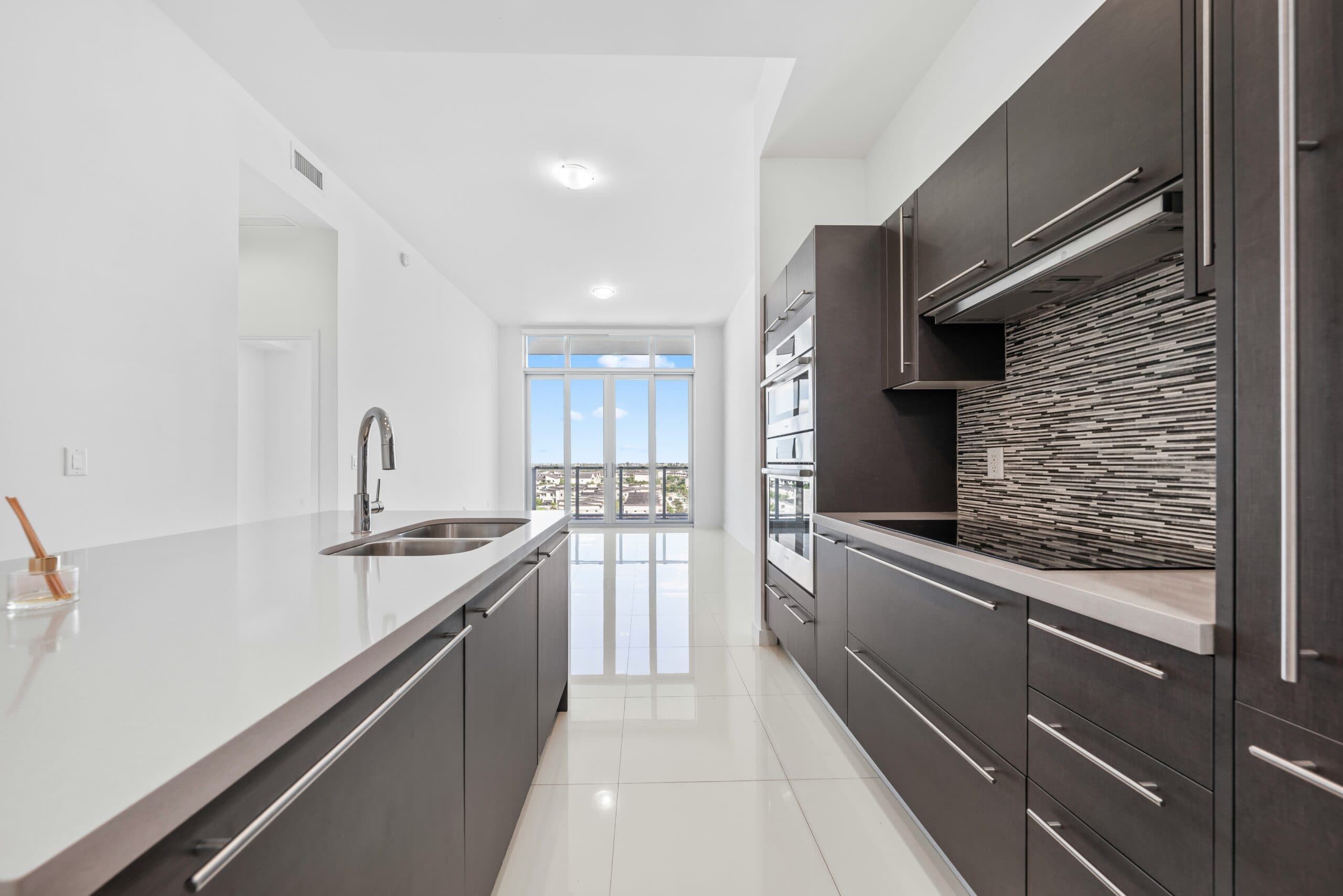
Condo Kitchen Remodel SF: Layout Options Without Moving Plumbing
Remodeling a condo kitchen in San Francisco presen...
February 21, 2026
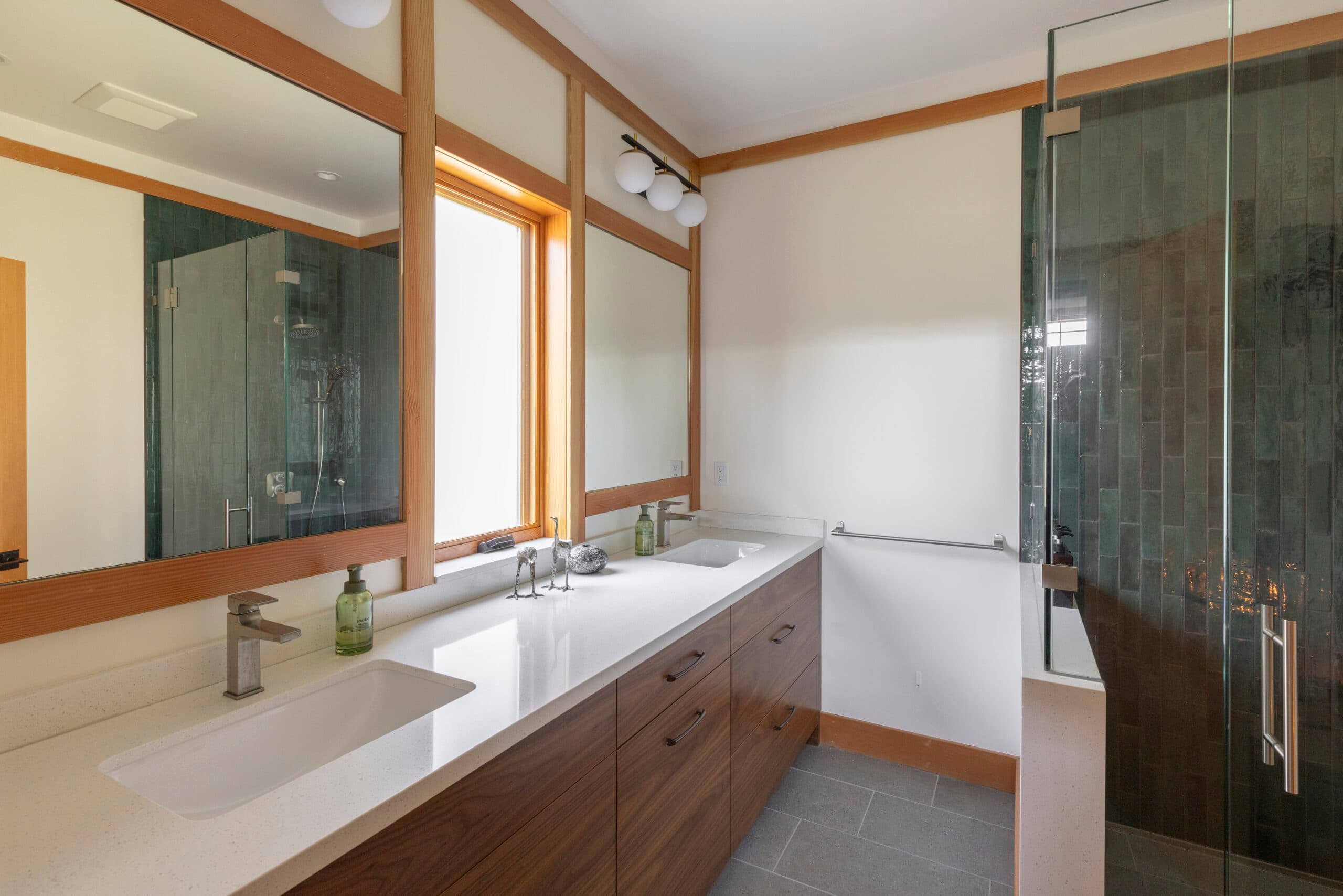
SF Bathroom Remodel: How to Maximize Your Space
Remodeling a small bathroom in San Francisco comes...
February 19, 2026
Open-Concept Kitchen Remodels in San Francisco: What’s Possible?
For many San Francisco homeowners, an open-concept...
December 20, 2025
San Francisco Design-Build: The Fastest Way to Complete a Home Remodel
Home remodeling in San Francisco has become more c...
November 20, 2025
Remodeling a Condo vs. a Victorian Home in San Francisco – What’s Different?
Remodeling a home in San Francisco is never a one-...
November 13, 2025
Kitchen Remodels That Add the Most Value to Homes in San Francisco
When you invest in a kitchen remodel, you’re not j...
October 25, 2025
Newsletter
Quarterly remodeling tips & case studies.