
November 20, 2025
San Francisco Design-Build: The Fastest Way to Complete a Home Remodel
Home remodeling in San Francisco has become more complex than ever. Between the city’s permitting requirements, historic housing stock, HOA approvals, seismic retrofitting standards, and labor/material shortages, homeowners face a challenging environment when trying to transform their living space.
That’s exactly why the design-build model has become the preferred approach for homeowners who want a smoother experience, a shorter timeline, and a more predictable outcome. Instead of managing separate architects, engineers, and contractors, a single integrated team handles everything from initial design concepts through construction, eliminating the friction and delays that often plague traditional remodeling.
In this guide, we explain why design build San Francisco projects consistently finish faster, more efficiently, and with fewer surprises, while still delivering high-quality results tailored to each homeowner’s vision.
What Is Design-Build?
The design-build model places every phase of a remodel under one unified team. One firm is responsible for:
-
Architectural design
-
Engineering
-
Permitting
-
Project management
-
Material sourcing
-
Construction and finishing
-
Final inspections and handoff
This integrated structure contrasts with the design–bid–build approach, where homeowners must coordinate multiple independent parties, often leading to gaps in communication, misaligned expectations, and extensive delays.
In a market as intricate as San Francisco, design-build offers a streamlined alternative that keeps everyone aligned from day one.
Why Homeowners Prefer the Design-Build Model in San Francisco
1. Faster Permitting – The #1 Benefit in San Francisco
Permitting in San Francisco is notoriously slow. Between the Planning Department and the Department of Building Inspection (DBI), approval timelines can stretch from weeks to months, especially for:
-
Historic Victorian and Edwardian homes
-
Structural changes
-
Additions
-
Foundation work
-
Multi-unit buildings
-
Homes in conservation areas
With design build San Francisco firms, the permitting process becomes significantly faster because the project is designed from the beginning with code compliance in mind. The design team knows exactly what the construction team can deliver, and what plan reviewers look for, so drawings are complete, accurate, and aligned with city requirements.
This eliminates the back-and-forth revisions that slow down traditional projects and cause long delays before construction even begins.
2. Construction Begins Sooner Because There’s No “Waiting on Bids” Stage
In the traditional process, once architectural plans are completed, the homeowner must send them to multiple contractors for bidding. This can take:
-
3–6 weeks for contractors to respond
-
1–2 weeks for budget comparisons
-
Additional time for clarifications or revisions
With design-build, this delay disappears entirely.
Because one team handles everything, the construction budget is developed during the design phase, not after. Costs are refined collaboratively, and homeowners receive transparent, real-time pricing. As soon as permits are approved, construction can begin.
3. Fewer Change Orders and Expensive Delays
Change orders are one of the biggest complaints homeowners have about remodeling. They often occur because:
-
The architect designed something that isn’t feasible.
-
The contractor interpreted the drawings differently.
-
Structural issues were overlooked.
-
Material selections weren’t priced accurately upfront.
Design-build nearly eliminates these issues because architects, designers, engineers, and builders collaborate from the start. Every design choice is informed by construction knowledge.
This translates to:
-
Fewer surprises
-
More predictable timelines
-
Minimal mid-project rework
-
Lower overall costs
In San Francisco, where older buildings hide structural surprises, this type of coordination is invaluable.
4. Seamless Communication Saves Weeks (or Months)
When three separate entities are involved (designer, engineer, contractor), communication bottlenecks are inevitable. Requests for clarification, plan revisions, and schedule conflicts can significantly delay progress.
Design-build ensures continuous communication because everyone is:
-
On the same team
-
In the same system
-
Following the same timeline
-
Accountable to the same project manager
This eliminates the classic remodeling problems:
-
“We didn’t receive that drawing revision.”
-
“We need engineering notes before continuing.”
-
“This design isn’t structurally possible.”
San Francisco homes, especially older ones, require quick decisions, constant adjustments, and consistent oversight. Design-build keeps the project moving forward without interruptions.
5. Accurate Budgeting Prevents Mid-Project Surprises
San Francisco remodeling costs fluctuate based on:
-
Structural needs
-
Permit requirements
-
Material availability
-
Labor demand
-
Home age and condition
In traditional remodeling, homeowners often discover after the bidding process that their design is far more expensive than anticipated. That requires redesigning the project, which adds additional weeks or months.
The design-build model avoids this problem completely because budgeting is integrated into design. Homeowners see costs evolve in real time, not after the final plans are drawn.
This makes San Francisco design build the fastest path to a remodel that stays on schedule and within budget.
6. One Team, One Contract, One Point of Accountability
Homeowners often underestimate how much time is spent:
-
Coordinating schedules
-
Managing contractors
-
Chasing updates
-
Mediating misunderstandings
-
Approving changes
-
Navigating setbacks
Design-build simplifies everything:
-
One firm handles all communication.
-
One project manager oversees all phases.
-
One contract covers design and construction.
-
One team is accountable from concept to completion.
This level of organization accelerates every phase of remodeling, especially in complex homes like San Francisco Victorians, Edwardians, and multi-unit buildings.
Why Design-Build Works Especially Well in San Francisco
San Francisco’s housing landscape creates unique remodeling challenges that design-build is uniquely suited to solve.
1. Aging housing stock requires integrated engineering.
Many homes are 80–140 years old, with unknown structural issues. Design-build teams identify and solve problems early.
2. Constant code changes require coordinated expertise.
San Francisco updates building codes frequently, especially around seismic safety. Unified teams stay compliant.
3. Multi-unit properties add layers of complexity.
Condo remodels often need HOA approval and special structural considerations that design-build streamlines.
4. Space constraints demand efficient planning.
Tight lots and small interiors require precise coordination and creative design solutions.
In short, the design-build model minimizes risk and maximizes efficiency, critical in a city where remodeling is anything but simple.
A Timeline Comparison: Design-Build vs Traditional Remodeling
Below is a general timeline comparison for a mid-sized San Francisco remodel.
Traditional Design–Bid–Build Approach
-
Initial design: 4–8 weeks
-
Engineering: 2–4 weeks
-
Bidding: 3–6 weeks
-
Revisions + re-bidding: 2–4 weeks
-
Permitting: 4–12+ weeks
-
Construction: 12–20+ weeks
Total time: 27–54+ weeks
Design-Build Approach
-
Integrated design + engineering: 6–10 weeks
-
Budgeting (concurrent): ongoing
-
Permitting: 4–12+ weeks
-
Construction: 12–20+ weeks
Total time: 22–42+ weeks
This often saves homeowners five to twelve weeks, sometimes more.
Realistic Scenarios Where Design-Build Saves Time
1. Removing walls in a Victorian home
Traditional: Architect designs → Engineer revises → Contractor discovers issues → Work stops
Design-build: Engineering + design aligned → Construction proceeds seamlessly
2. Changing a condo layout
Traditional: HOA rejects design → Homeowner returns to architect → Delays
Design-build: HOA rules considered before drawings begin
3. Discovering old wiring or plumbing
Traditional: Contractor issues change order → Architect must re-plan
Design-build: Team solves problem immediately with unified decision-making
Is Design-Build Right for Your San Francisco Remodel?
Choose San Francisco design build if you want:
✔ Faster timelines
✔ Fewer change orders
✔ Seamless communication
✔ Transparent budgeting
✔ Efficient permitting
✔ A single accountable team
✔ Reduced stress and uncertainty
✔ Higher-quality results
Whether you’re renovating a condo, updating a kitchen, modernizing a Victorian, or planning a whole-home transformation, design-build provides the most streamlined and predictable remodeling experience in San Francisco today.
Ready to Start Your Home Remodel?
Podesta Construction is a trusted San Francisco design-build firm with decades of experience managing complex remodels, from historic home upgrades to modern condo renovations.
We guide homeowners through every step with clarity, craftsmanship, and a process designed to save time and eliminate stress.
Ready to transform your home the smart way?
📞 Book a consultation today and get expert guidance on your upcoming remodel.
Recent Posts
Condo Kitchen Remodel SF: Layout Options Without Moving Plumbing
Remodeling a condo kitchen in San Francisco presen...
February 21, 2026
SF Bathroom Remodel: How to Maximize Your Space
Remodeling a small bathroom in San Francisco comes...
February 19, 2026
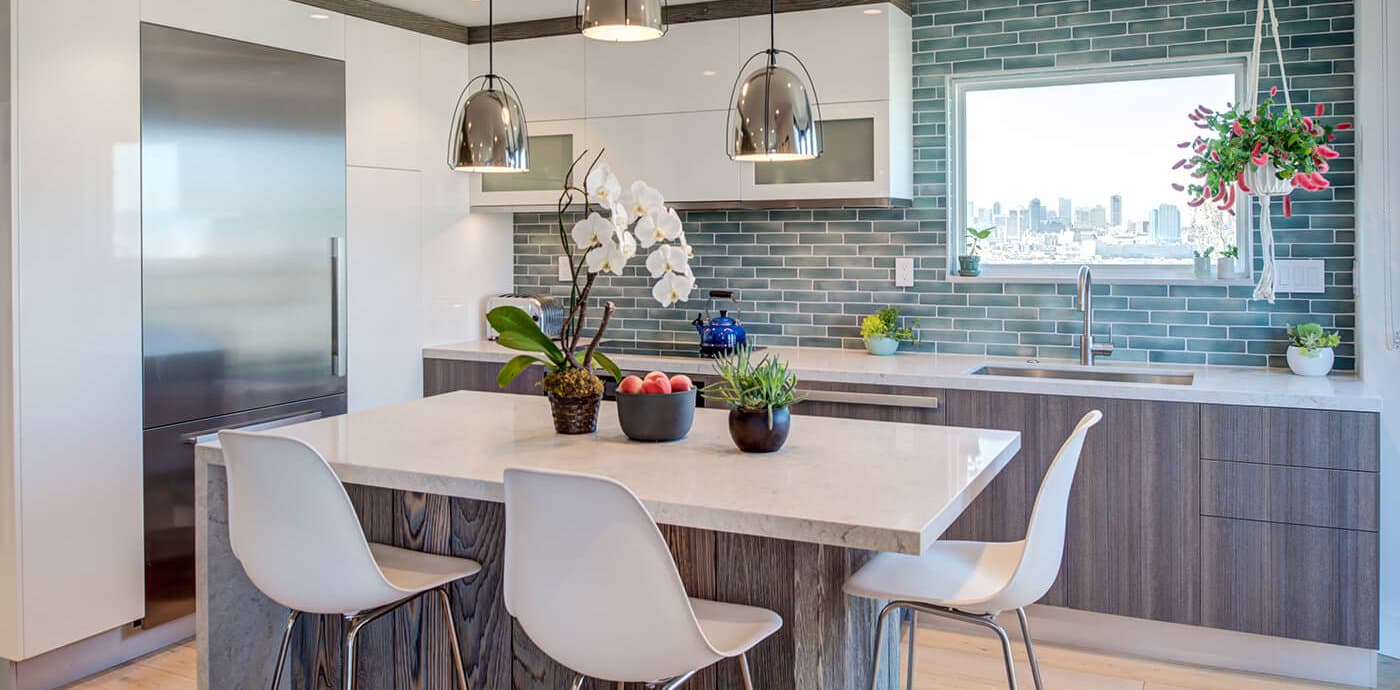
Open-Concept Kitchen Remodels in San Francisco: What’s Possible?
For many San Francisco homeowners, an open-concept...
December 20, 2025
San Francisco Design-Build: The Fastest Way to Complete a Home Remodel
Home remodeling in San Francisco has become more c...
November 20, 2025
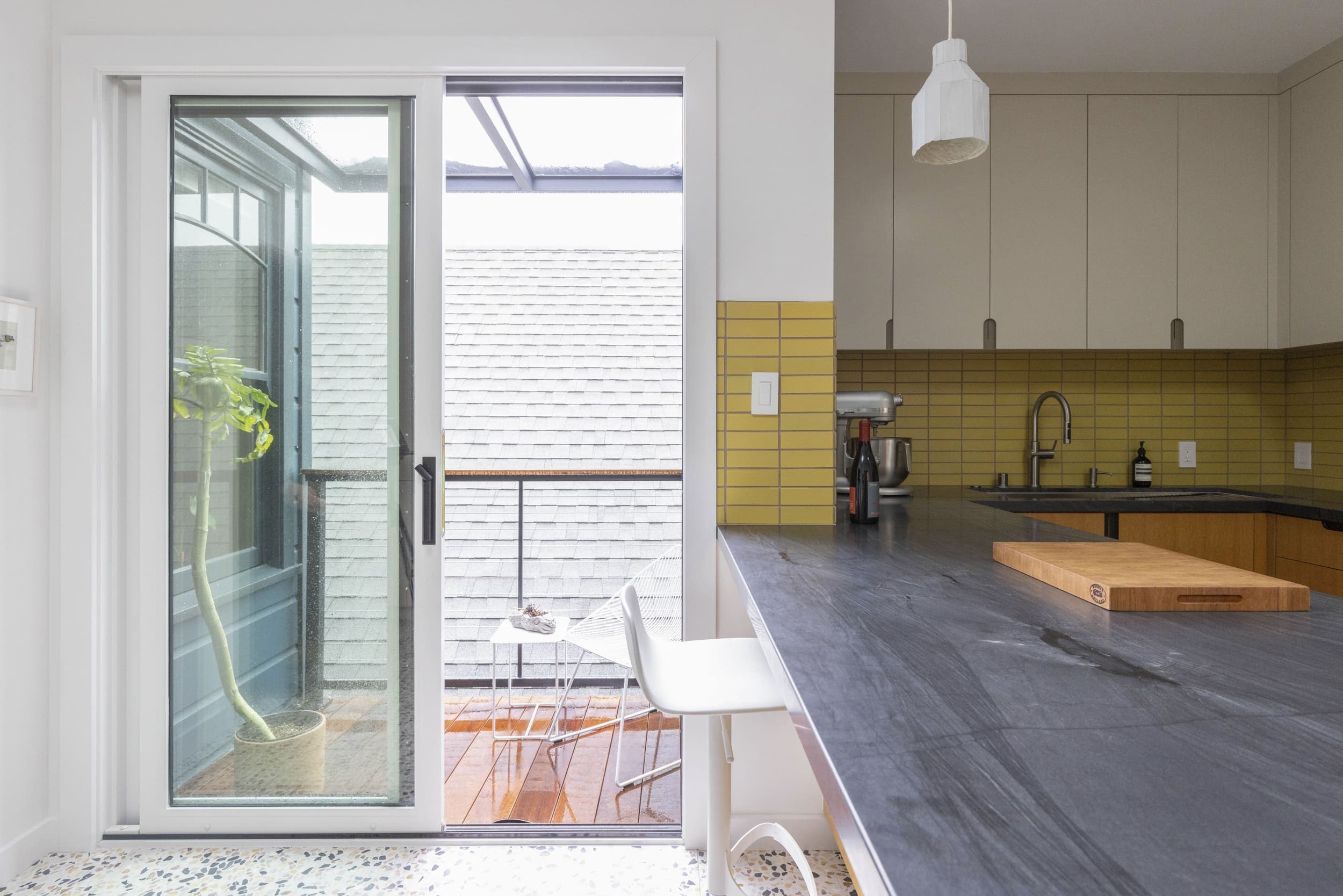
Remodeling a Condo vs. a Victorian Home in San Francisco – What’s Different?
Remodeling a home in San Francisco is never a one-...
November 13, 2025
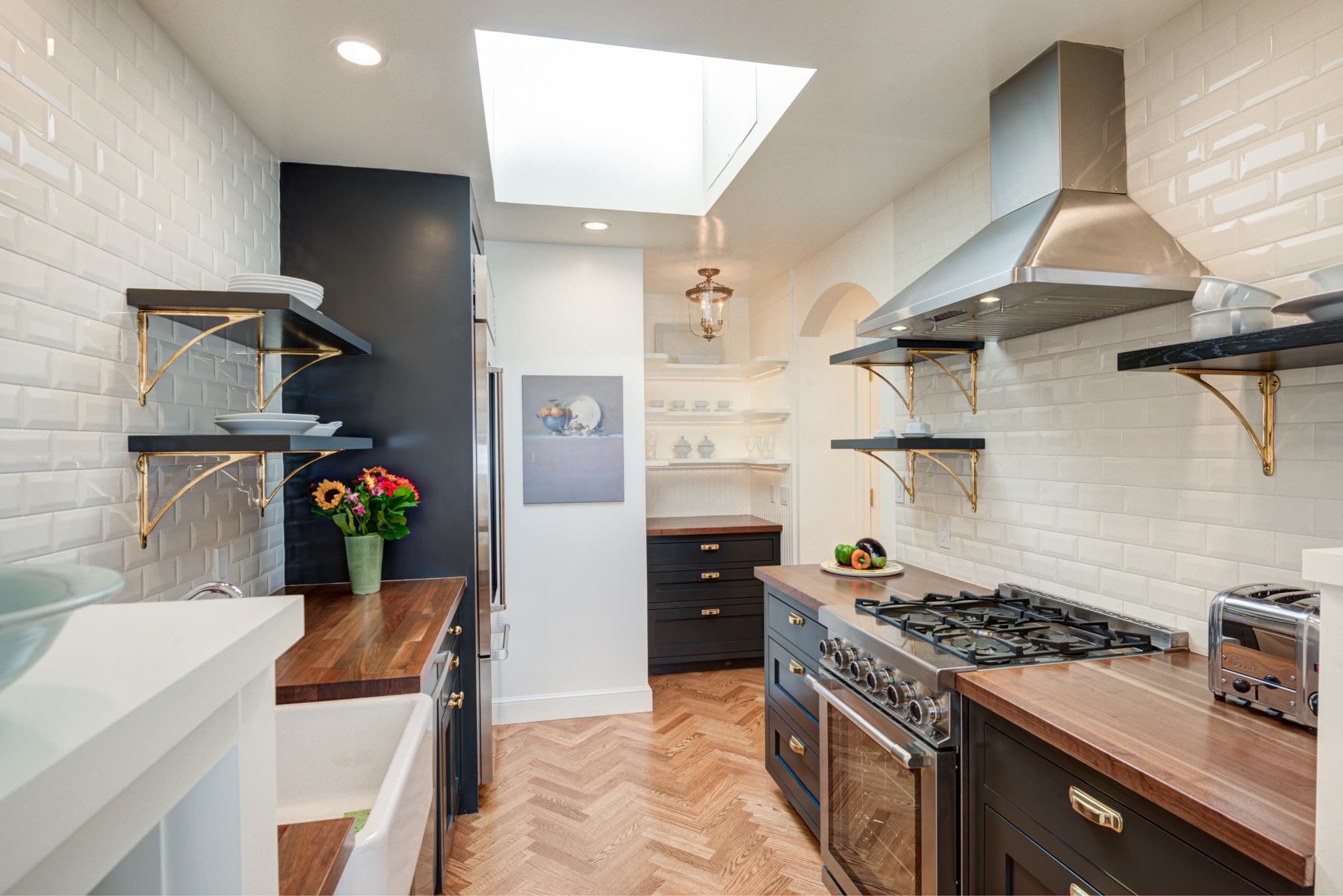
Kitchen Remodels That Add the Most Value to Homes in San Francisco
When you invest in a kitchen remodel, you’re not j...
October 25, 2025
Newsletter
Quarterly remodeling tips & case studies.